
Hand and Foot Canasta
ConectaGames.comCard
3.5852.00 Reviews
- Version
- 6.22.120
- Installs
- 100.00K
- Age Rating
- Teen
Screenshots
Our Review of Hand and Foot Canasta
 Analysis by Appyee
I like the idea of a card game that can fill a short break without turning into a frantic tap-fest. Hand and Foot Canasta is built around a slower kind of decision-making: you watch what is being played, think about when to make a meld, and try to manage two groups of cards rather than simply emptying one hand. That makes it appealing when I want a game with more room for planning than a quick-match puzzle, though it is not the best fit if I only have a minute to spare.
What the purchase details mean in practice
The game is free to download, and ConectaGames.com is the developer. It has a 3.5 average from around two thousand ratings, with more than a hundred thousand installs. That gives a prospective player a sense of its reach, but I would not treat popularity or an average score as a guarantee that the experience will suit every Canasta group. Card-game preferences are often shaped by house rules, pace and the people at the table.
There are in-app purchases, with items priced from $0.99 to $39.99. That is the concrete spending context I would keep in mind before installing: the game can be tried without an upfront purchase, while optional items have a wide price range. I would decide what I am comfortable spending before browsing any purchase screens, especially if I am installing it for a younger player. The age rating is Teen, so it is worth checking that rating against your household’s preferences rather than assuming every card game is intended for all ages.
Useful for a particular kind of card-game break
Hand and Foot works best for me when I can give a round enough attention to follow what has happened. It suits a quiet evening, a commute where I have a reliable connection and time to finish, or a relaxed pause between other tasks. The rules have several moving parts, so I would not recommend starting a first game while distracted and expecting the strategy to click immediately. A calmer first session makes it easier to learn why a card held back now might be useful later.
It is also a reasonable option for someone who enjoys card games but does not have a regular group ready to play. The game’s store description emphasizes play with real players, which is a useful distinction from a purely solo card app. Online opponents can make it easier to find a game when friends are busy, but they do not recreate the conversation or shared habits of a familiar table. If playing face to face with a partner or family group is the main attraction, a physical deck may still be the more satisfying choice.
Spend carefully, and judge fairness by the match
For a competitive card game, fairness matters as much as presentation. The purchase range is clear, but it does not by itself tell me whether any item changes gameplay, affects matchmaking or is purely for customization. I would not assume that paying gives a player an advantage, and I would not assume the opposite either. The useful approach is to check what an item does before buying it and to treat a match as a test of the actual play experience, not as proof of how purchases work.
There is a similar distinction between randomness and unfairness. A hand can go badly because cards are dealt unpredictably; that is part of card play, not automatically evidence of a problem. I would look for a pattern over many games before drawing conclusions about balance. If a particular match feels odd, it is better to separate what happened in the cards from what the interface or opponent did, rather than immediately spending money in the hope of changing the outcome.
Version, compatibility and a sensible first session
The current version is 6.22.112, and the listed Android minimum is 6.0. The game was released on July 14, 2016, so it has been around long enough to have an established presence, while the version number tells me to check that my device can run the current build before planning a regular routine around it. The game is listed for Android and iOS; the minimum operating-system detail here applies to Android, so iPhone and iPad users should check their own device’s compatibility in the relevant store.
My practical first-session plan would be simple: learn the basic flow before worrying about rank or performance, then try a match at a time when I can concentrate. I would keep an eye on how the game handles the decisions that matter to me—how clear it is when I can play cards, how easy it is to follow the hand-to-foot transition, and whether the pace leaves enough time to think. Those details are more useful than judging a card game by its graphics alone.
Getting Started with the Game
First things first, downloading the app was a breeze. It's available for both Android and iOS, so whether you're team Apple or Android, you're covered. Once installed, the setup is pretty straightforward. The app doesn't bombard you with endless tutorials, which I found refreshing. Instead, it offers a quick guide to get you acquainted with the gameplay.
Now, if you're new to Canasta, don't sweat it. The app does a nifty job of breaking down the rules. Basically, it's a rummy-style card game where you use two decks. The aim is to form melds, which are sets of seven cards of the same rank. The twist here is the "hand" and "foot" — you play with two hands of cards, making strategy a key factor in winning.
Features that Stand Out
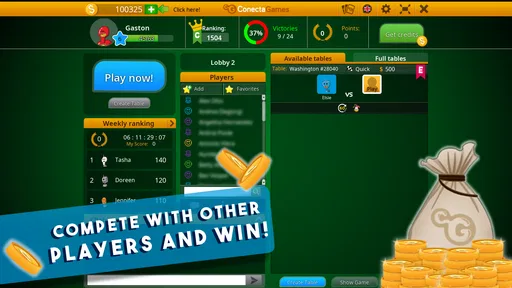
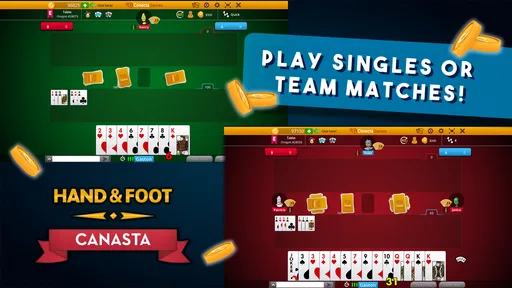
One of the coolest features of this app is the multiplayer mode. You can either play with friends or get matched with random players. It's a great way to test your skills against others, and honestly, it keeps things exciting. If you're not into social gaming, there's a solo mode against AI opponents. They're pretty challenging, so don't expect an easy win!
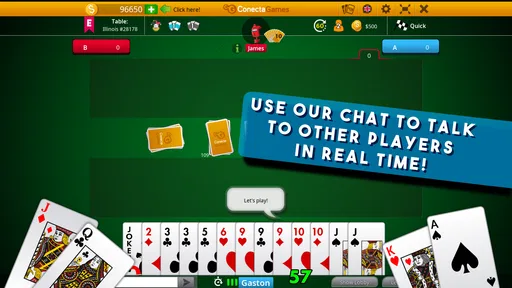
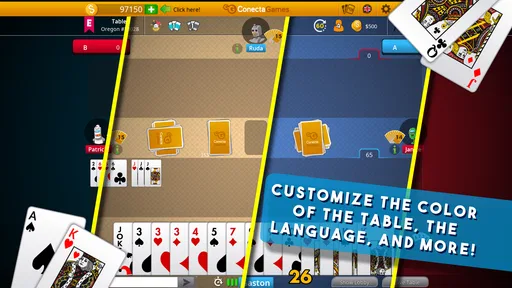
The graphics are clean and the interface is user-friendly. I didn't find myself fumbling around trying to figure out what button does what. Everything is neatly laid out, which makes for a smooth gaming experience. Plus, the app offers customization options. You can change the backgrounds and card designs to suit your style. It's the little things that enhance the overall experience.
Diving Deeper into Gameplay
When you start a game, you're dealt a "hand" and a "foot". The objective is to get rid of all the cards in your hand first and then move onto the foot. Sounds simple, right? Well, the strategy comes into play with the melds. You have to decide when to lay down your cards and when to hold back. And trust me, holding back can sometimes be the key to winning.
The app does a great job of mimicking the real-life tension of Canasta. Every move feels calculated, and the stakes get higher as you progress. It's not just about luck; it's about reading your opponent and playing your cards right.
What Keeps Me Coming Back
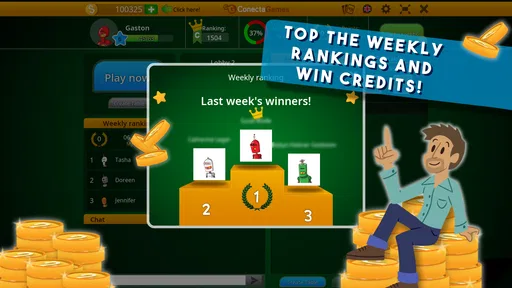
Honestly, it's the challenge that keeps me hooked. Each game feels different, and the unpredictability is what makes it fun. The app also has a leaderboard feature, which adds a competitive edge. There's something about seeing your name climb up the ranks that gives you a little thrill.
Another aspect I appreciate is the community. The app has an active player base, and there's a sense of camaraderie among players. Whether it's sharing tips or just casual banter, it adds a social element that enhances the experience.
Final Thoughts
All in all, the Hand and Foot Canasta app is a solid choice for card game enthusiasts. It's got the right mix of simplicity and challenge, and the features ensure that it doesn't get stale. Whether you're a seasoned Canasta player or a newbie looking for something new, this app is worth checking out.
So, if you haven't yet, give it a download. Who knows, you might just find yourself addicted like I did. Happy gaming!
Choosing it over other card games
Compared with a solitaire-style app, this is less about optimizing a private puzzle and more about responding to other players. Compared with a quick trick-taking game, Hand and Foot asks me to track a longer sequence of choices: which cards to keep, when a meld is worth making, and how the second set of cards changes my plans. That extra depth is the draw, but it also means it is a poor substitute for a game designed to be finished in a couple of minutes.
It is especially suited to people who already know Canasta or enjoy learning card rules by playing. If you are completely new, give yourself a few rounds before deciding whether the strategy feels rewarding. Someone who prefers short, self-contained matches, minimal rules, or a strictly offline pastime may be happier with a simpler card game. I would choose this one when I want the decisions and the changing contest, not merely something to occupy my hands.
A practical way to learn without wasting a session
When learning, I find it useful to focus on one decision at a time rather than trying to memorize every possible tactic. First follow how cards move from the hand toward the foot; then pay attention to which ranks are building toward melds. After that, start noticing what opponents appear to be collecting. This makes the game easier to read without turning every turn into a calculation, and it helps separate a rules mistake from a strategic choice that simply did not work.
A realistic routine might be a few games after dinner when I can stay with the table, rather than opening the app while juggling messages or waiting for a very short appointment. If I need to stop unexpectedly, a longer online match may be awkward. I would also avoid treating a run of wins or losses as a reliable measure of skill: card distribution can swing a round, while good decisions become clearer across repeated play.
How I would use the social and solo options
Playing against people is the stronger choice when I want variety and the uncertainty of an opponent making independent decisions. A game with friends can be a convenient way to keep a familiar group playing when everyone cannot meet in person. Random opponents are better for finding a live contest without coordinating schedules, although the social feel may be less personal. I would use solo play as a lower-pressure place to get comfortable with the sequence of play, not as a perfect substitute for learning how real people handle the game.
One small but useful habit is to decide what I want from a session before choosing a mode: practice, company, or a competitive challenge. That prevents me from expecting a solo game to provide the same social exchange as multiplayer, or expecting a random match to feel like a relaxed game among friends. The choice changes the experience even when the underlying card decisions are familiar.
What I would check before spending
The optional purchases are the main reason I would pause before tapping through a shop. Their listed prices run from $0.99 to $39.99 per item, but that range alone does not explain the contents or their effect. I would inspect the description of any item and make sure the purchase is intentional. For a shared device, I would also use the platform’s purchase controls so a casual game does not turn into an accidental charge.
That caution is not a claim that purchases make matches unfair; it is simply a sensible way to approach optional spending when the practical impact of an item is not established here. If a player wants a no-cost experience, they can begin without paying, then decide whether anything offered is worth buying for their own use. I would never recommend purchasing something just to improve a result in a card game without first knowing exactly what it provides.
Who should pass, and what makes me trust it
I would skip this app if my priority were a guaranteed offline game, a very fast round, or a digital table that exactly reproduces the habits and house rules of my in-person group. I would also look elsewhere if I wanted every purchase and competitive mechanic explained before trying a match. Those are reasonable preferences, not flaws that every player has to overlook. The fit is strongest for someone who likes this particular hand-and-foot format and is comfortable learning through play.
My overall trust verdict is measured rather than absolute. The game has a long-running presence, a free entry point, a clear age rating and visible optional purchase prices; those are useful basics for deciding whether to try it. I would still approach online competition and spending thoughtfully, and judge the experience by several sessions rather than one lucky or frustrating deal. If you enjoy patient, social card strategy, it is worth a try; if you mainly want quick, guaranteed solo play, another card game will likely serve you better.
Verdict
Strengths of Hand and Foot Canasta
- Intuitive interface for easy navigation.
- Multiple game modes for varied play.
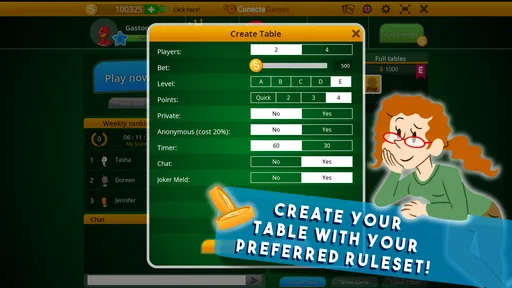
- Customizable rules to fit preferences.
- Smooth performance with minimal lag.
- Cross-platform multiplayer support.
Limitations of Hand and Foot Canasta
- Ads can be intrusive at times.
- Limited free features without purchase.
- Occasional connection issues online.
- In-app purchases can be pricey.
- No offline multiplayer option.
Similar Picks in This Category
View All
Solitaire - Classic Card Games
MobilityWare4.6

UNO!™
Mattel163 Limited4.3

Spider Solitaire: Card Games
MobilityWare4.6

Solitaire.com - Classic Cards
Tripledot Studios Limited4.7

Plants vs. Zombies™ Heroes
ELECTRONIC ARTS4.1

Hearthstone
Blizzard Entertainment, Inc.4.1
Frequently Asked Questions
What is Hand and Foot Canasta and how is it played?
Hand and Foot Canasta is a card game variant of the traditional Canasta, designed for multiple players. Each player is dealt two sets of cards, one called the 'hand' and the other the 'foot.' The objective is to form melds of seven cards and score points. The game requires strategic planning and teamwork, making it engaging for casual and competitive players alike.
Is Hand and Foot Canasta available for both Android and iOS?
Yes, Hand and Foot Canasta is available for download on both Android and iOS platforms. Users can find the app on Google Play Store for Android devices and the Apple App Store for iOS devices. This ensures that players can enjoy the game on a wide range of smartphones and tablets.
Are there any in-app purchases or ads in Hand and Foot Canasta?
Hand and Foot Canasta may include in-app purchases and ads, which are common in many free-to-play games. In-app purchases typically offer cosmetic enhancements or additional features, while ads are often used to support the developers. Users can choose to purchase ad-free versions if they prefer an uninterrupted gaming experience.
Does Hand and Foot Canasta offer multiplayer options?
Yes, Hand and Foot Canasta offers multiplayer options, allowing players to enjoy the game with friends or other players worldwide. The app often includes features such as online matchmaking, private game rooms, and leaderboards to enhance the social and competitive aspects of the game.
What are the system requirements for Hand and Foot Canasta?
Hand and Foot Canasta generally requires a device running Android 5.0 or higher, or iOS 10.0 or later. It's designed to work on most modern smartphones and tablets. However, users should ensure they have sufficient storage space and a stable internet connection for optimal gameplay, especially when engaging in online multiplayer modes.
Play our best games!


